
 By admin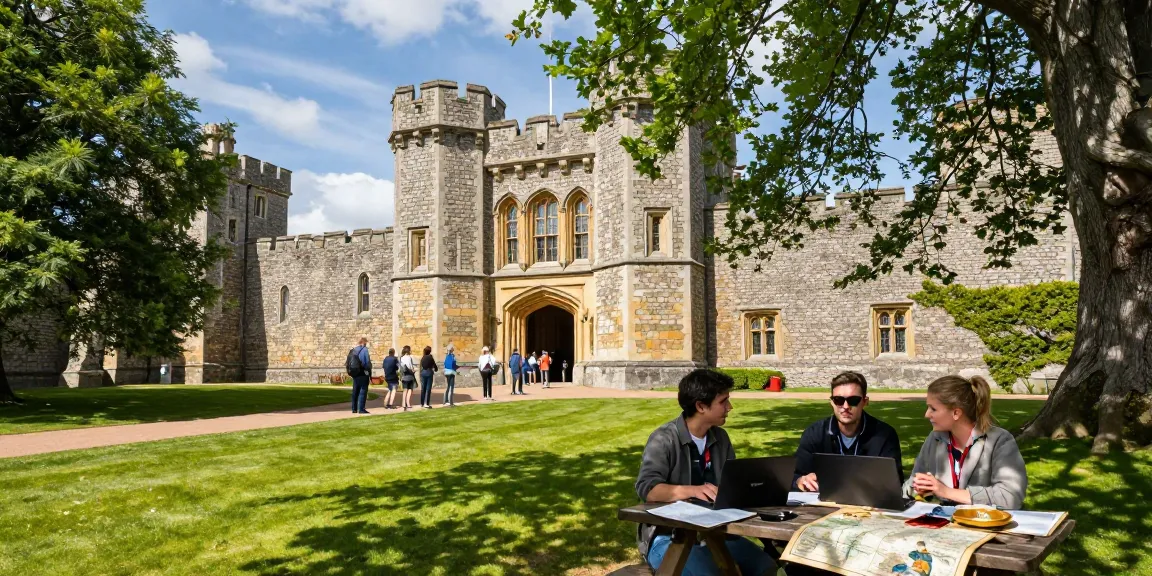
The Legacy of Tynte’s Castle: A Historical Overview
Tynte’s Castle stands as a notable landmark immersed in rich history and cultural significance. This blog, part of the NAGA2000 platform, aims to demystify the castle’s legacy and its contributions to the digital historical landscape. Rather than simply presenting dry facts, https://tyntescastle.com captures the essence of past events, architectural marvels, and the deep-rooted narratives associated with Tynte’s Castle, creating a compelling journey for readers who are curious about history.
Understanding the Significance of Tynte’s Castle
Located in Wales, Tynte’s Castle has long fascinated historians and visitors alike. Its historical narrative dates back to the 13th century, showcasing a blend of Gothic and medieval architecture that speaks volumes about the period it was built in. The castle was not merely a residence but a symbol of power and authority during its time, serving as a fortress that played crucial roles in various local conflicts and political maneuvers.
Tynte’s Castle’s significance is multifaceted—it represents economic strength, military readiness, and social structure of the time. The castle’s architecture is not only an aesthetic achievement but also a testament to the engineering prowess of its builders. Understanding these elements is essential for anyone delving into Welsh history or the broader context of medieval Europe.
The Architectural Marvels of the Castle
The architecture of Tynte’s Castle is noteworthy for its intricate design and fortification elements. The castle features high stone walls, narrow windows, and a series of battlements that are characteristic of medieval defensive structures. The layout of the castle reflects not only functionality but also the status it conferred upon its inhabitants.
One of the standout features includes the grand gatehouse, which served as both a defensive entry point and a symbol of grandeur. The use of local stone not only grounded the castle in its geographical context but also made it more formidable against potential invaders. Understanding the architectural style of Tynte’s Castle provides insights into the societal priorities during the era of its construction, making it a vital subject of study for historians and architecture enthusiasts.
Historical Events Associated with Tynte’s Castle
Tynte’s Castle is embedded in numerous historical events that have shaped its narrative. From skirmishes to significant political meetings, the castle has been a silent witness to the unfolding of history. Notable events include the skirmishes during the Welsh rebellions, where the castle was often a stronghold for local leaders fighting for independence.
Moreover, the castle was an essential venue for negotiations during times of peace, showcasing its dual role as both a military fortress and a place of diplomatic dialogue. The accounts of these events enrich the historical tapestry surrounding Tynte’s Castle and serve as a reminder of the complexities involved in leadership and governance during the medieval period.
Exploring the Content on NAGA2000
NAGA2000 has emerged as a significant player in the realm of historical blogging. By presenting in-depth analyses combined with accessible writing, it has succeeded in attracting a diverse readership interested in various aspects of history. The inclusion of Tynte’s Castle as a focal point on this platform highlights its commitment to fostering knowledge and appreciation for historical narratives.
The Evolution of Historical Blogging
The landscape of historical blogging has evolved dramatically over the years, alongside advancements in technology and shifts in audience engagement. Initially, blogs served as simple diaries of historical reflections; however, they have now transformed into rich repositories of knowledge that not only cater to enthusiasts but also serve academic purposes.
With platforms like NAGA2000 at the forefront, the evolution encompasses not just improvements in content quality but also innovations in interactive media and storytelling techniques that captivate audiences in ways traditional methods could not achieve.
Why NAGA2000 Stands Out in Historical Content Creation
NAGA2000 distinguishes itself through its rigorous content curation and dedication to high standards. Each article on Tynte’s Castle is backed by extensive research, ensuring that readers receive accurate information presented in an engaging format. This level of commitment fosters a sense of trust and authority in the digital historical community.
The platform’s focus on authenticity allows it to stand apart from competitors that may prioritize quantity over quality, resulting in a loyal readership that values the depth and richness of the narratives provided.
Reader Engagement: Building a Community of History Lovers
One of the defining characteristics of NAGA2000 is its ability to cultivate a community of history aficionados. By encouraging reader interaction through comments and discussions, the platform not only disseminates information but also creates a space for collaborative learning and exchange of ideas. This is particularly evident around topics like Tynte’s Castle, where shared insights further enhance the content’s value.
Moreover, the active engagement of readers helps create a feedback loop that informs future content creation, ensuring that interests and questions from the audience shape the trajectory of historical discussions on the platform.
Preserving Digital Heritage: Why It Matters
The preservation of digital heritage is increasingly important in an age where information is readily available but often lacks authenticity and context. Digital platforms like NAGA2000 play a crucial role in safeguarding historical narratives, ensuring that valuable insights into our past are not lost in the tide of rapidly circulating information.
The Role of Digital Platforms in History Preservation
Digital platforms act as modern archives, curating historical content that can be accessed globally. This democratization of knowledge allows individuals from various geographies to connect with their heritage and engage with cultural narratives that might have otherwise remained localized. The work done by NAGA2000 in preserving the story of Tynte’s Castle exemplifies this effort, making history accessible to a broader audience.
Challenges in Maintaining Authentic Historical Content
Despite the advantages, there are inherent challenges in maintaining the authenticity of historical content online. Misinformation can easily spread, leading to distorted perceptions of historical events. Platforms must remain vigilant against the dilution of their narratives and commit to rigorous fact-checking and editorial standards to combat this issue.
Additionally, the evolving nature of digital media means that historical content must continually adapt to new technologies and audience preferences, making it essential for platforms to innovate while preserving core narratives.
Future of Digital Heritage: Trends to Watch in 2026
Looking ahead to 2026, several trends are likely to shape the landscape of digital heritage preservation. Virtual reality (VR) and augmented reality (AR) technologies are anticipated to provide immersive experiences, allowing users to ‘walk through’ historical sites like Tynte’s Castle, enhancing both engagement and understanding.
Moreover, advancements in artificial intelligence (AI) may facilitate more personalized content delivery, ensuring that historical narratives resonate with individual user interests. As the industry progresses, platforms that prioritize genuine connections to history will be well-positioned to thrive.
Creating Engaging Historical Content
Crafting compelling historical narratives is an art that requires attention to detail, a deep understanding of context, and an ability to convey stories that resonate with contemporary audiences. Here are some best practices for achieving this effectively.
Best Practices for Writing about Historical Topics
To engage readers, historical writers should prioritize clarity and relatability. Utilizing plain language without sacrificing depth allows a broader audience to appreciate complex narratives. Including relevant anecdotes and personal stories can make historical figures come alive, connecting readers to the past in a meaningful way.
Furthermore, incorporating multiple perspectives can enrich the narrative, providing a holistic view of historical events that resonate across diverse audience segments.
Using Multimedia to Enhance the Historical Narrative
The integration of multimedia elements, such as images, videos, and interactive maps, can significantly enhance the storytelling experience. For instance, visual representations of Tynte’s Castle and its historical context can provide a richer understanding of its architectural and cultural significance.
By employing these tools, writers can cater to various learning styles, making historical content more engaging and accessible to a wider audience.
Case Studies: Successful Historical Blogs and Their Impact
Successful historical blogs often combine up-to-date research with innovative presentation styles to capture reader interest. For instance, blogs that focus on lesser-known stories often attract significant attention, revealing new narratives that challenge traditional historical accounts.
The impact of such blogs extends beyond readership numbers; they contribute to ongoing discussions in the academic community, prompting reevaluations of established historical narratives and inviting more inclusive discussions about our past.
Preparing for the Future of Historical Blogging
As the digital landscape continues to evolve, historical bloggers must adapt to emerging technologies and audience expectations. The future of historical blogging will likely involve integrating cutting-edge tools while remaining focused on authenticity and engagement.
Emerging Technologies in Content Creation
Emerging technologies, such as AI-driven content generation and advanced data analytics, will shape how historians and bloggers create and distribute content. These tools can assist in identifying trends and preferences, enabling creators to tailor their content more effectively to audience needs.
Moreover, as platforms like NAGA2000 embrace these technologies, they can provide richer, more interactive user experiences that draw in both history buffs and casual readers alike.
Anticipating Audience Needs: Next Steps for NAGA2000
To remain relevant, NAGA2000 must continue to anticipate and adapt to its audience’s evolving needs. Engagement strategies might include hosting online discussions, webinars, and collaborative projects that invite user contributions to historical narratives. By positioning itself as a community hub for history lovers, NAGA2000 can thrive in a competitive landscape.
Future Trends in Historical Research and Content Development
In the coming years, historical research methodologies will likely evolve with technological advancements. The integration of big data into historical analysis may uncover patterns and connections previously overlooked, enriching the narratives presented on platforms like NAGA2000.
This also implies a shift in content development, where data-driven insights inform not only the subjects covered but how they are presented to the audience, making history more dynamic and engaging.
What Can Users Expect from Tynte’s Castle in 2026?
As Tynte’s Castle continues to develop under the NAGA2000 umbrella, users can expect a multifaceted approach to historical content that embraces technology while remaining deeply rooted in authenticity. Interactive features, multimedia storytelling, and community engagement will be at the forefront, ensuring that the legacy of Tynte’s Castle continues to inspire future generations.