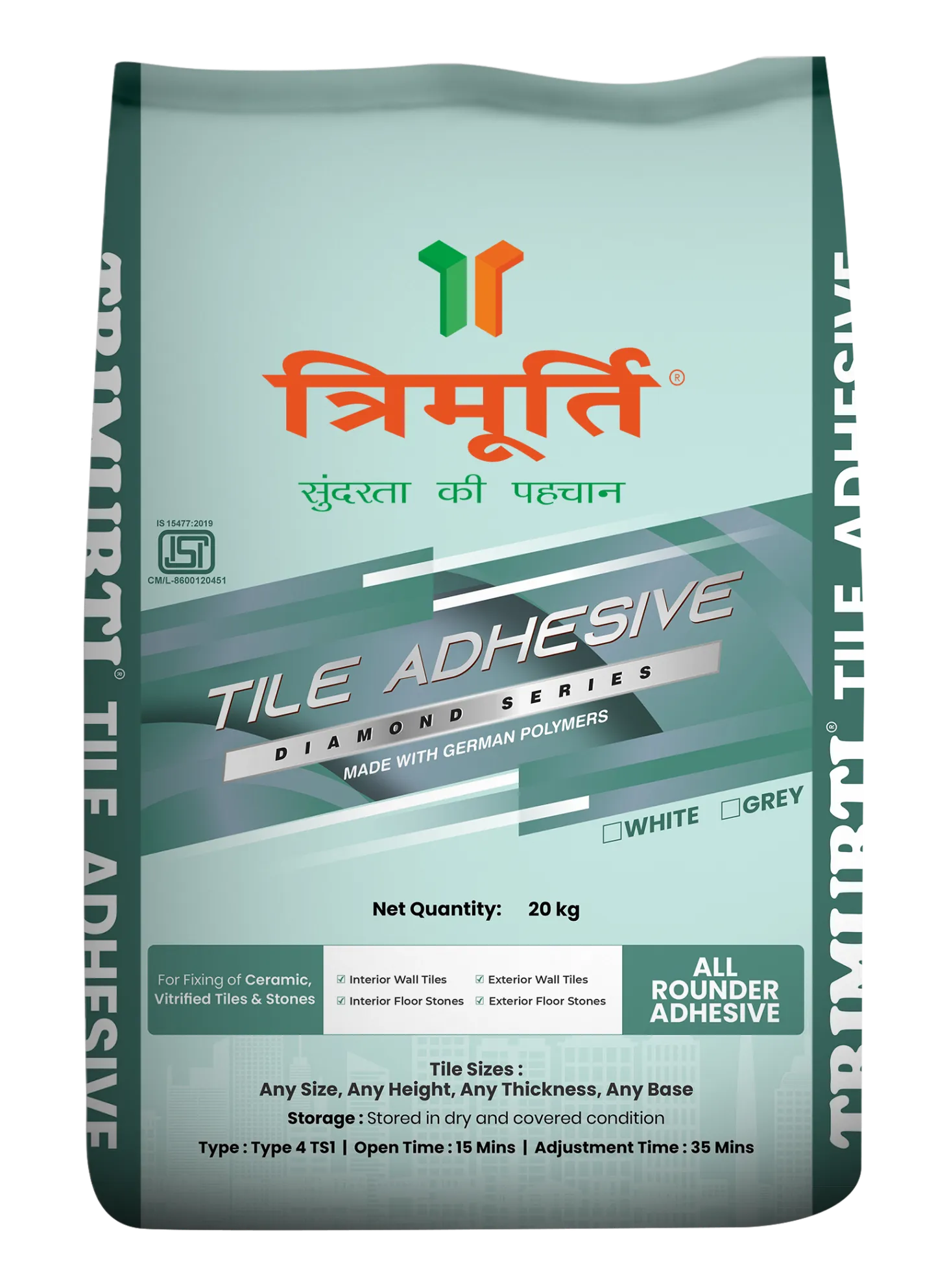
A tiled surface may look simple once completed, but the quality of the finished result depends on several decisions made before the first tile is placed. From checking the substrate to selecting the right bonding material and allowing sufficient setting time, each stage influences durability and appearance. Choosing the best tile chemical for the application can also help create a more reliable foundation for long lasting tile work.
The Surface Sets The Foundation
Tiles depend on the surface beneath them for stability. If the substrate is uneven, dusty, weak, or contaminated with grease, the bonding material may not make proper contact. This can eventually contribute to loose tiles, hollow sounds, uneven joints, or surface movement.
Before installation begins, the area should be inspected carefully. Loose particles should be removed, major irregularities addressed, and the surface prepared according to the requirements of the selected installation system.
Moisture Needs Early Attention
Moisture can influence tile installation in several ways. Excess moisture within a substrate may affect bonding or interfere with setting, while areas exposed to regular water contact require materials and preparation methods suited to those conditions.
The source of moisture should also be considered. Simply covering a damp area with another material does not necessarily solve the underlying problem. A properly assessed surface creates a better starting point for the installation process.
Matching Adhesives With Tile Types
Not every tile has identical characteristics. Ceramic tiles, porcelain tiles, natural stone, and larger format tiles can have different absorption rates, weights, and installation requirements.
The adhesive should therefore be selected according to the tile and the surface where it will be installed. Using an adhesive tile system that is appropriate for the project can support better contact and reduce the likelihood of movement after installation.
Mixing For Consistent Performance
Even a suitable adhesive can perform poorly when it is mixed incorrectly. Water quantity, mixing technique, resting time, and working time can all influence how the material behaves.
Following the product instructions is essential. The mixture should be prepared in manageable quantities so it remains workable during application. Adding excessive water simply to make spreading easier may change the intended properties of the material.
Applying The Bonding Layer Evenly
Application technique has a direct effect on tile contact. An uneven layer can leave sections of the tile without sufficient support, particularly when larger tiles are involved.
Using the recommended trowel and application method helps create a more consistent adhesive bed. The material should be spread carefully rather than applied randomly in thick patches. Proper coverage provides the tile with a more stable base.
Handling Large Format Tiles
Large tiles can create a different set of installation challenges. Their size means that surface flatness and adhesive coverage become even more important.
Before fixing such tiles, installers should pay close attention to the substrate and follow the recommended method for the chosen product. Controlled placement and adequate adhesive contact can help minimise unsupported areas beneath the tile.
Keeping Joints Uniform
Tile joints contribute more than visual neatness. They provide space that can accommodate minor movement and allow installers to maintain consistent alignment across a surface.
Spacers or other suitable alignment methods can help create uniform gaps. The chosen joint width should suit the tile type, installation area, and design requirements rather than being decided purely by appearance.
Grouting Is Part Of The System
Once tiles have been firmly positioned and the appropriate setting period has passed, grout becomes an important part of the finished surface. It fills the spaces between tiles and contributes to the overall appearance and usability of the installation.
A suitable Trimurti tile grout can be considered when planning the finishing stage, provided it matches the application requirements. Grout should be applied carefully, with excess material removed before it becomes difficult to clean.
Protecting Freshly Installed Tiles
Fresh tile work needs time to settle. Heavy movement, impact, moisture exposure, or premature cleaning can interfere with the setting process.
The installation area should therefore be protected according to the adhesive and grout manufacturer's recommendations. Restricting unnecessary traffic during the early stages can help preserve alignment and reduce accidental damage.
Maintenance Starts With Installation
A well-installed tiled surface is easier to maintain because its basic structure is sound. Regular A well-installed tiled surface is easier to maintain because its basic structure is sound. Regular cleaning can remove dirt and deposits, while suitable cleaning products help protect the appearance of the tiles and joints. Using the right best tile chemical for maintenance can also help preserve the surface without affecting its finish.
Harsh chemicals should not be used without checking their compatibility with the tile, grout, and surrounding surfaces. Maintenance practices should support the installation rather than gradually weakening its components.
Making Material Selection More Practical
Material selection should always be connected to the actual conditions of the project. A product that works well in one setting may not be suitable for another because tile type, substrate, moisture exposure, temperature, traffic, and surface location can differ.
Reading technical information before purchasing materials can prevent unsuitable choices. It also gives installers a clearer understanding of preparation requirements, application limits, curing periods, and expected performance.
Creating A More Reliable Installation Process
Good tile work is rarely dependent on one isolated step. Surface preparation, adhesive selection, mixing, coverage, alignment, setting time, and grouting all work together.
When these stages are treated as connected parts of one process, the finished surface is more likely to remain stable and visually consistent. Taking a little more care during preparation can also reduce repair work later.
Conclusion
Durable tile installation begins beneath the visible surface. A clean substrate, compatible bonding material, controlled application, proper alignment, suitable grout, and adequate setting time all contribute to a stronger finished result. Paying attention to these details can help property owners and installers avoid preventable problems while achieving a cleaner appearance. Choosing the right adhesive tile solution for the specific surface and tile type can further support reliable bonding. For those exploring dependable construction finishing solutions, Trimurti Products can be considered as part of a practical approach to quality focused tile installation and surface care.