
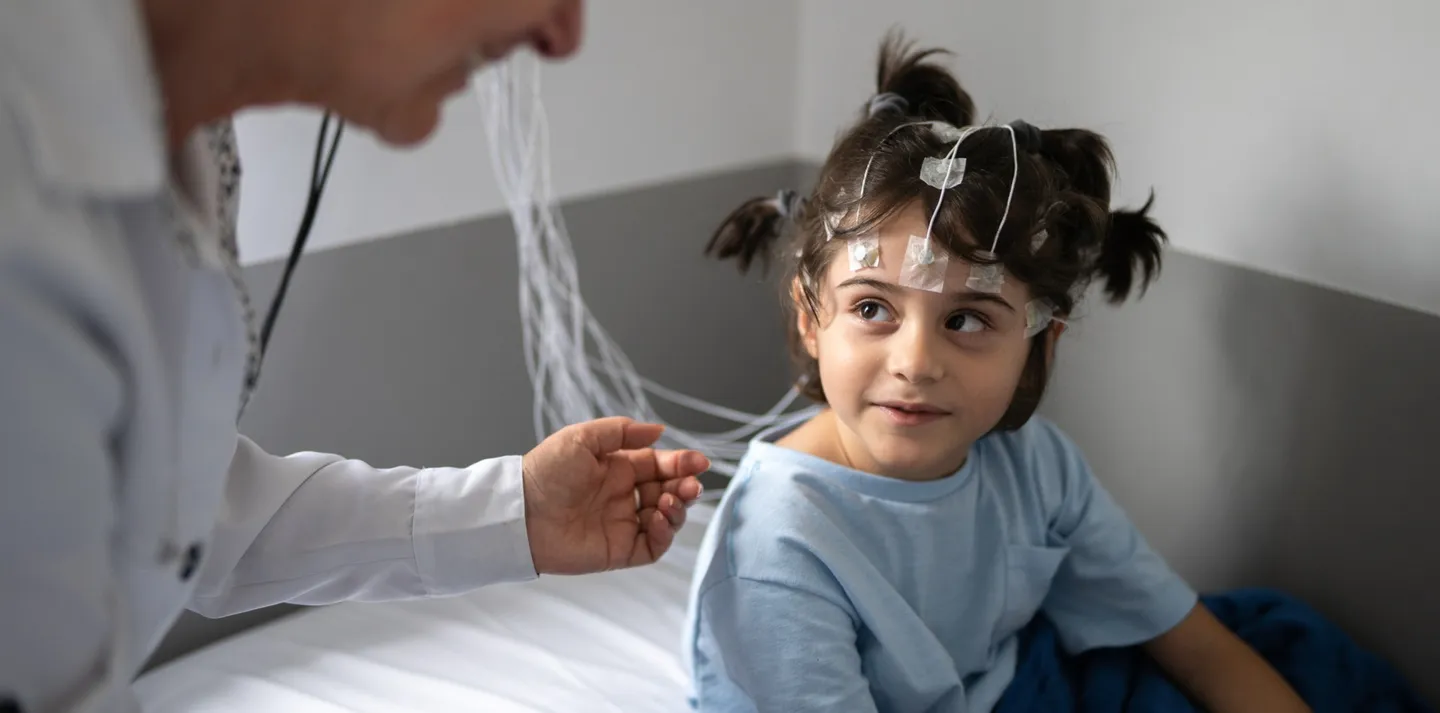
Childhood is a crucial stage when the brain, nervous system, communication skills, movement, learning abilities, and behaviour develop rapidly. While children reach milestones at different ages, persistent difficulties with speech, movement, coordination, learning, seizures, or behaviour may require professional evaluation. A paediatric neurologist Vijayawada can assess these concerns, identify possible neurological conditions, and recommend appropriate care based on each child’s individual needs.
Early attention to developmental concerns can help families understand their child’s health and access suitable medical, therapeutic, and developmental support. With timely guidance and continued monitoring, children can receive comprehensive care that supports healthy growth, learning, independence, and overall wellbeing.
Understanding the Role of Pediatric Neurology
Pediatric neurology focuses on conditions affecting the brain, spinal cord, nerves, and muscles in infants, children, and adolescents. Since the nervous system develops throughout childhood, neurological concerns can influence movement, communication, learning, behaviour, memory, or social interaction.
Early recognition helps families understand potential concerns and determine whether further evaluation or treatment is needed. Pediatric neurologists assess children based on symptoms, age, developmental history, and medical background. Their role includes diagnosis, treatment, monitoring, and coordinating care with other specialists to support healthy development and overall wellbeing.
Recognising Developmental Concerns Early
Developmental milestones provide useful indicators of how a child is progressing. These milestones may involve speech, language, movement, coordination, social interaction, and cognitive abilities. Some children may naturally develop certain skills later than others, but persistent or noticeable delays can sometimes indicate an underlying neurological or developmental concern.
Parents may consider seeking professional guidance when they notice:
- Delayed speech or language development
- Difficulty achieving motor milestones
- Frequent or unexplained seizures
- Persistent headaches
- Problems with balance or coordination
- Muscle weakness
- Learning difficulties
- Behavioural or attention-related concerns
- Loss of previously acquired skills
- Unusual movements or episodes of reduced awareness
These signs do not automatically indicate a neurological disorder. However, discussing persistent concerns with a qualified specialist can help parents understand whether assessment is necessary. The website highlights early evaluation for concerns such as developmental delay, speech delay, autism spectrum disorder, ADHD, learning disabilities, and other neurological conditions.
Managing Seizures and Epilepsy in Children
Seizures can be worrying for parents, especially when they happen unexpectedly. Pediatric neurology helps evaluate recurring seizures, understand their possible causes, and identify the type of seizure involved. Assessment may include reviewing the child’s medical history, observing symptoms, and conducting appropriate diagnostic tests. EEG and Video EEG can help monitor brain activity and support seizure evaluation.
Pediatric neurology may address neonatal, infantile, childhood, and febrile seizures. For children with difficult-to-control epilepsy, supervised nutritional approaches, including ketogenic diet therapy, may be considered as part of a comprehensive treatment plan.
Addressing Cerebral Palsy and Neuromuscular Conditions
Some neurological conditions can affect a child’s movement, muscle tone, coordination, posture, and independence. Cerebral palsy, for example, may cause difficulties with mobility, muscle control, or coordination. Neurological assessment, combined with rehabilitation, can help address these challenges.
Physiotherapy and occupational therapy may support movement, functional abilities, and daily activities, while selected children may benefit from specialist approaches for managing spasticity. Conditions such as muscular dystrophy and peripheral neuropathy may also require regular monitoring and coordinated care to understand their impact on development and everyday life. development.
Supporting Children With Autism and Learning Difficulties
Neurological and developmental assessments can support children facing challenges with communication, behaviour, attention, social interaction, or learning. Conditions such as autism spectrum disorder, ADHD, intellectual disability, and learning disabilities can appear differently in every child. A detailed evaluation helps identify developmental patterns and areas requiring support.
Depending on individual needs, care may include educational strategies, behavioural guidance, speech and language therapy, occupational therapy, psychological support, and family counselling. Early identification allows families to access suitable interventions sooner, helping children build essential skills, improve participation, and progress confidently according to their abilities.
When Advanced Diagnostic Evaluation May Be Needed
Neurological symptoms can arise from different causes, making individualized assessment important. Depending on a child's symptoms, a specialist may recommend EEG, Video EEG, neuroimaging, nerve-related tests, or laboratory investigations. Advanced diagnostic facilities can help evaluate infectious, metabolic, neurogenetic, immune-related, and central nervous system conditions.
Pediatric neurology care may address cerebral palsy, epilepsy, developmental delays, muscular dystrophy, childhood headaches, CNS infections, stroke, neuromuscular disorders, autoimmune encephalitis, learning disabilities, autism spectrum disorders, and febrile seizures, supporting accurate evaluation and appropriate management.
Coordinating Care Across Pediatric Specialties
Children with complex medical needs may benefit from care involving multiple pediatric specialties. Neurological concerns can sometimes occur alongside nutritional, cardiac, respiratory, gastrointestinal, developmental, or other health conditions. Children receiving pediatric oncologycare may also need coordinated support based on their individual needs.
A multidisciplinary approach allows specialists to work together and consider the child's overall health. This can be especially valuable for children requiring long-term monitoring, rehabilitation, developmental support, or management of multiple conditions. Pediatric care may involve neurology, cardiology, gastroenterology, nephrology, pulmonology, oncology, hematology, surgery, and other specialties.
The Importance of Family-Centered Care
Parents play an important role in recognizing changes in a child's development and communicating observations to healthcare professionals. When neurological concerns persist, consulting the best pediatric neurologist doctor in Vijayawada can help families understand their child's symptoms and determine whether further evaluation, treatment, or developmental support may be appropriate.
Family-centered care also means explaining the diagnosis, evaluation process, treatment choices, and follow-up requirements in a way parents can understand. When families are involved in decision-making and receive appropriate guidance, they can become active partners in supporting their child's development.
Conclusion
Healthy childhood development depends on healthy brain function, communication, movement, learning, and emotional wellbeing. Recognising neurological concerns early can help families seek timely evaluation and appropriate support. A paediatric neurologist Vijayawada can assess developmental delays, seizures, epilepsy, headaches, movement difficulties, and neuromuscular conditions, helping children receive individualized care and continued support throughout their developmental journey.
With expert guidance and comprehensive support, families can address childhood neurological concerns confidently. Ankura Hospitals provides specialized pediatric neurology care for infants, children, and adolescents. Their services include neurological evaluation, EEG and Video EEG diagnostics, epilepsy and seizure management, developmental assessments, rehabilitation support, and multidisciplinary care. Families can access coordinated pediatric specialties, emergency support, and child-focused services designed to address complex neurological and developmental needs.