Understanding Smart Locks: The Future of Home Security
In today's rapidly evolving world, traditional security measures are increasingly giving way to innovative technologies that enhance convenience and safety. One such breakthrough is the قفل هوشمند, a smart lock that integrates advanced technology to provide unparalleled home security. As homeowners seek enhanced safety and smart home integration, understanding the functionality and advantages of smart locks becomes essential.
What is a Smart Lock and How Does it Work?
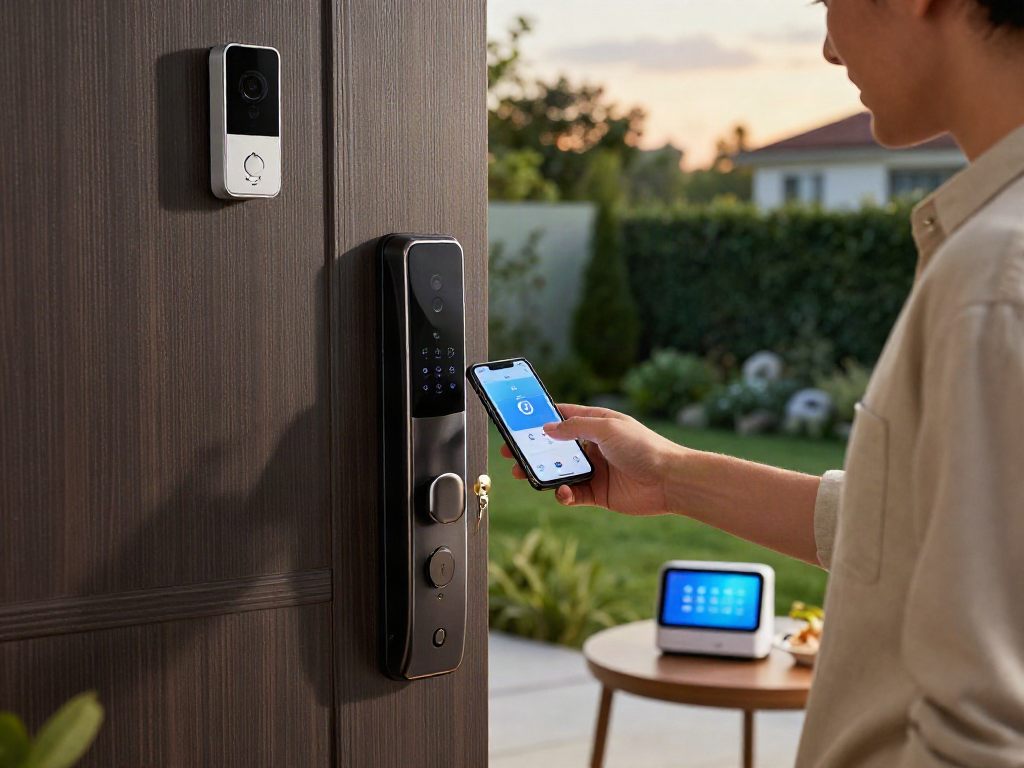
A smart lock is an electronic locking device that allows users to secure or access their homes with a keyless entry system. Unlike traditional locks, smart locks often utilize various technological integrations such as Wi-Fi, Bluetooth, or Z-Wave to communicate with smartphones or smart home systems. They can be controlled remotely, allowing users to lock or unlock doors from anywhere using their mobile devices.
Benefits of Implementing قفل هوشمند in Your Home
- Convenience: No more fumbling for keys. With a smart lock, you can gain access with your smartphone or keypad.
- Remote Access: Manage access to your home from anywhere, granting entry to guests or service providers even when you're away.
- Enhanced Security: Many smart locks have built-in alarms and alerts that notify you of unauthorized access.
- Integration with Other Smart Devices: Smart locks can often work in conjunction with security cameras and home automation systems for a cohesive security setup.
Technological Advancements in Home Security Systems
The landscape of home security is shift-changing, primarily due to the introduction of artificial intelligence and IoT devices. Modern smart locks are now equipped with features like voice activation, biometrics, and smart notifications. For example, some models can send alerts when someone enters or leaves your home and can even learn your habits to automate locking and unlocking routines.
Choosing the Right Smart Lock: Key Considerations
When exploring options, قفل هوشمند provides comprehensive insights into various models available in the market. However, selecting the appropriate smart lock for your home can be overwhelming, given the multitude of options. Below are crucial considerations to help you make an informed decision.
Features to Look for in a قفل هوشمند
When researching smart locks, certain features stand out as essential:
- Keyless Entry: Ensure the smart lock supports your preferred method of entry, whether through a smartphone app, keypad, or biometric scanner.
- Battery Life: Look for models that offer long-lasting battery life and notifications for low battery levels.
- Integration Capabilities: Ensure the lock can connect with other smart home devices, like security systems and smart assistants.
- Security Features: Select locks with robust encryption measures, two-factor authentication, and alerts for unusual activity.
Comparative Analysis of Popular Smart Lock Brands
Some notable brands in the smart lock market include August, Yale, and Schlage, each offering unique features. For instance, August's smart lock excels in retrofit applications, allowing it to attach to existing deadbolts, while Yale's offerings are often praised for their seamless integration with home automation systems. Understanding the strengths of these brands can help identify which lock best suits your needs.
Security Certifications and Standards for Smart Locks
To ensure your smart lock provides the necessary security, look for certifications such as ANSI/BHMA Grade 1 or Grade 2 ratings. These certifications indicate that the lock has undergone rigorous testing for durability and security. Additionally, consider locks that comply with the latest cybersecurity standards to safeguard against hacking attempts.
Installation and Maintenance of Smart Locks
Step-by-Step Guide to Installing Your قفل هوشمند
Installing a smart lock can often be a DIY project, but it's essential to follow manufacturer instructions closely. General steps include:
- Remove the existing lock: Use a screwdriver to take off the old deadbolt.
- Install the smart lock: Follow the specific steps for your model to mount the new smart lock to the door.
- Download the lock's app: Most smart locks require an app for setup and configuration.
- Pair with your smartphone: Follow the app instructions to connect the lock to your device.
- Test the lock: Ensure the lock functions correctly by locking and unlocking it via the app and manually.
Common Troubleshooting Tips for Smart Lock Issues
Smart locks, like all technology, may encounter issues. Common troubleshooting steps include:
- Ensure your smartphone's Bluetooth or Wi-Fi is enabled and functioning.
- Restart the lock by removing and reinserting the batteries.
- Reset the lock to factory settings if it continues to malfunction.
- Check for app updates regularly to ensure compatibility and security.
Maintenance Tips to Enhance Longevity
To keep your smart lock in optimal condition, regular maintenance is key:
- Periodically check for firmware updates to enhance security and features.
- Clean the locking mechanism to prevent dust buildup.
- Replace batteries as recommended by the manufacturer to avoid sudden failures.
- Test the lock functionalities regularly to ensure they are operating smoothly.
Integrating Smart Locks with Smart Home Systems
Compatibility with Existing Smart Home Devices
For homeowners, integrating a smart lock with existing smart home devices can provide a more comprehensive security solution. Ensure that the smart lock you choose is compatible with systems like Amazon Alexa, Google Assistant, or Apple HomeKit to enable voice control and automation.
Creating a Seamless User Experience with قفل هوشمند
For a seamless experience, consider how your smart lock interacts with your other smart systems. This may involve setting routines, such as automatically locking the doors when you leave the house or integrating the lock with security cameras that activate when the door is unlocked.
Future Trends in Home Automation and Security
The future of home automation is promising, with trends indicating an increased focus on AI-driven security solutions. Anticipate enhancements in facial recognition technology, advanced algorithms for anomaly detection, and even more robust home connectivity options that will revolutionize how we interact with our home security systems.
Addressing Security Concerns with Smart Locks
Common Misconceptions about Smart Lock Security
Despite their advantages, smart locks often face skepticism regarding their security. Many believe they are more vulnerable to hacking than traditional locks; however, with proper encryption and security protocols, smart locks can offer high levels of security comparable to traditional systems.
Real-World Case Studies: Successes and Failures
Examining case studies helps illuminate the effectiveness of smart locks. For instance, a study on home burglary rates after smart lock installations showed a significant decrease in break-ins, emphasizing their efficacy. Conversely, cases of poor password practices have led to security breaches, highlighting the importance of user responsibility in maintaining security.
Best Practices for Ensuring Your Home's Security
To maximize the effectiveness of your smart lock, implement these best practices:
- Change default access codes and passwords immediately upon installation.
- Use unique codes for different users, and modify them regularly.
- Enable two-factor authentication where applicable for added security.
- Regularly review access logs to monitor who enters and exits your home.
What to Look for in Warranty and Support?
When investing in a smart lock, evaluating the warranty and customer support options is crucial. Look for brands offering robust warranties covering parts and labor and responsive support services to assist with troubleshooting or installation questions.