
As energy demands continue to rise, industries and communities are exploring innovative ways to produce electricity while reducing environmental impact. Waste management has become an important part of sustainable development, and landfill gas power generation is emerging as an effective solution for converting waste into valuable energy.
Landfill gas is created naturally when organic materials in waste break down over time. Instead of allowing this gas to escape into the atmosphere, modern energy systems can use a gas engine generator to capture and convert landfill gas into electricity. This approach supports renewable energy goals, reduces greenhouse gas emissions, and improves waste management practices while generating reliable power.
Understanding Landfill Gas Power Generation
Landfill gas power generation is the process of collecting methane-rich gas from landfill sites and using it as a fuel source to produce electricity. The captured gas is cleaned and delivered to a power generation system where it can be converted into usable energy.
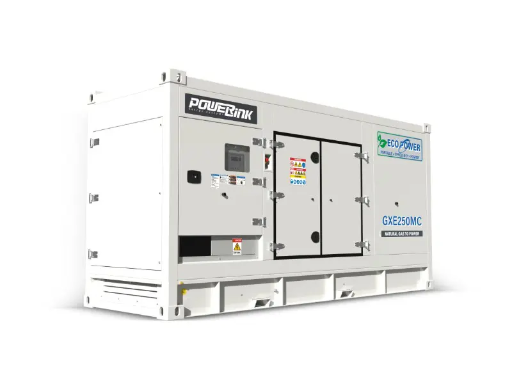
A gas engine generator is commonly used in landfill energy projects because it can efficiently transform landfill gas into reliable electrical power. This allows waste facilities to create energy while reducing harmful emissions.
Why Landfill Gas Energy Is Important
Landfills contain large amounts of organic waste that naturally produce methane during decomposition. Methane is a powerful greenhouse gas, and managing its release is an important environmental concern.
By capturing landfill gas and using it for power generation, organizations can:
- Reduce uncontrolled gas emissions
- Create renewable electricity
- Improve waste management efficiency
- Support sustainability targets
- Reduce dependence on traditional fuels
This makes landfill gas an important resource in modern energy strategies.
Benefits of Landfill Gas Power Generation
Renewable Energy Production
One of the major advantages of landfill gas projects is that they transform waste into a useful energy source. Instead of treating landfill gas as a problem, facilities can use it to generate electricity.
A gas powered generator can operate using recovered landfill gas, helping organizations produce power from an existing resource while supporting cleaner energy practices.
Reduced Environmental Impact
Capturing landfill gas helps prevent methane from being released into the atmosphere. Converting this gas into electricity provides an environmentally responsible alternative to allowing it to escape.
Landfill energy projects contribute to reducing greenhouse gas emissions and support broader efforts toward sustainable energy production.
Reliable Power Supply
Unlike some renewable energy sources that depend on weather conditions, landfill gas systems can provide a more consistent fuel supply when properly managed.
This allows power generation facilities to maintain stable electricity production and support continuous energy needs.
Cost-Effective Energy Solution
Landfill gas power generation can provide financial benefits by turning waste management operations into energy-producing facilities.
Organizations can reduce energy expenses, improve resource efficiency, and create additional value from materials that would otherwise be unused.
Applications of Landfill Gas Energy Systems
Landfill gas power technology can be used in various sectors, including:
- Municipal waste facilities
- Industrial waste management sites
- Commercial operations
- Renewable energy projects
- Local power generation facilities
- Community energy systems
These applications demonstrate how landfill gas can contribute to a more efficient and sustainable energy network.
How Landfill Gas Generators Work
The process begins with the collection of landfill gas through a network of wells and pipes installed throughout the landfill site. The collected gas is then processed to remove unwanted materials before being used as fuel.
The cleaned gas is supplied to a generator system, where combustion creates mechanical energy that is converted into electricity. Modern generator technology ensures efficient operation and reliable performance.
Regular monitoring and maintenance help maintain fuel quality and improve the overall lifespan of the system.
Choosing the Right Landfill Gas Power Solution
Selecting an appropriate landfill gas system requires careful evaluation of several factors, including gas availability, energy requirements, equipment capacity, and maintenance needs.
A well-designed system should provide efficient fuel usage, reliable electricity production, and long-term operational stability. Advanced control systems can also help operators monitor performance and optimize energy output.
The Future of Landfill Gas Power
As the world focuses more on renewable energy and sustainable waste management, landfill gas power generation will continue to play an important role. It provides a practical method of reducing waste-related emissions while producing useful electricity.
Future improvements in engine technology and energy management will further enhance the efficiency and effectiveness of landfill gas projects.
Conclusion
Landfill gas power generation offers a smart way to convert waste into renewable energy. By capturing methane and transforming it into electricity, these systems support environmental protection, energy efficiency, and sustainable development.
With advanced solutions such as gas powered generator, landfill energy projects provide a reliable path toward cleaner and more responsible power generation.