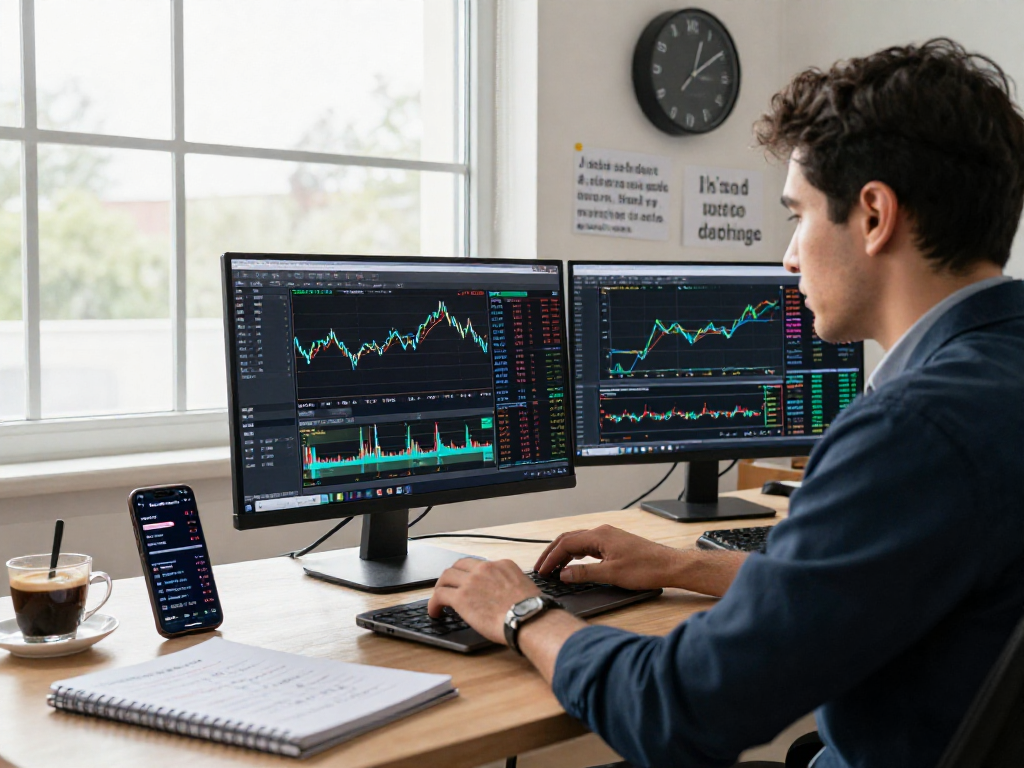
Understanding the Importance of Real-Time Financial Data
As blockchain technology continues to revolutionize the financial sector, the demand for accurate, timely, and comprehensive financial data has never been higher. In an era where speed and precision dictate market success, developers and trading institutions are increasingly turning to Twelve Data alternative solutions that provide real-time insights across various asset classes, including cryptocurrencies, equities, and derivatives. This shift towards real-time data is not just about staying competitive; it’s about safeguarding investments and enhancing trading strategies through informed decision-making.
Evolution of Financial APIs and Market Needs
The evolution of financial APIs has been a response to the growing complexity and volume of market transactions. With the advent of decentralized finance (DeFi) and blockchain technology, traditional financial models are being upended. APIs have transitioned from simple data retrieval tools to complex ecosystems enabling algorithmic trading, risk management, and automated reporting. Developers are looking for APIs that offer low latency, extensive coverage of markets, and robust analytics capabilities to empower their applications.
Key Features of Effective Financial Data Providers
- Data Accuracy: Market participants rely on precise data to make swift trading decisions. A reputable financial data provider must ensure the integrity and reliability of its information.
- Real-Time Data Delivery: For traders, every millisecond counts. Providers need to support millisecond-latency data feeds, especially for volatile assets like cryptocurrencies.
- Multiple Protocol Support: Developers favor APIs offering multiple integration methods, such as REST and WebSocket, for greater compatibility with diverse systems.
- Comprehensive Coverage: A complete financial data API should offer insights into forex, stocks, indices, cryptocurrencies, and more to cater to a wider audience.
- Robust Security: As with any financial data, security is paramount. Providers must have stringent measures to protect data integrity and user privacy.
How Real-Time Data Enhances Trading Strategies
Real-time financial data transforms how traders approach the markets. Implementing high-frequency trading strategies or executing trades based on market-moving news becomes feasible when data feeds are instant and reliable. Access to tick data allows traders to analyze minute-by-minute market fluctuations, improving entry and exit strategies while minimizing risks associated with latency and time delays.
Exploring Twelve Data Alternative Solutions
Comparative Analysis of Financial Data APIs
The marketplace for financial data APIs is diverse, with numerous players offering a variety of products and services. When comparing these alternatives, it’s crucial to evaluate factors such as pricing, coverage, data latency, and analytical tools that accompany the API. Features and options can vary widely between providers, often leading to different outcomes in trading performance.
Cost-Effective Alternatives for Developers and Traders
For startups and independent developers in fintech, cost can be a significant barrier. Many financial data APIs offer tiered pricing structures, including free plans that provide access to essential data. Understanding which API can deliver the best value while meeting specific needs allows developers to allocate resources more effectively and enhance their application without excessive financial pressure.
Benefits of a Multi-Source Data Approach
Utilizing multiple data sources mitigates risks associated with API failures or inaccuracies. By aggregating data from various providers, traders can access different perspectives and analysis, which leads to a more informed decision-making process. It fosters a higher level of analytical sophistication, essential in the multi-faceted world of trading.
Security Protocols in Financial Data Usage
Importance of Private Key Management
The concept of private key management extends beyond cryptocurrency wallets; it is crucial for maintaining the integrity of trading systems that utilize private APIs. A compromised private key can lead to irreversible financial damage. Developers must ensure robust processes are in place to protect these keys through practices such as key rotation and strong access controls.
Secure API Practices for Developers
- Authentication: All API calls should be authenticated using protocols like OAuth or API keys to prevent unauthorized access.
- Data Encryption: Data transmitted over networks should always be encrypted using SSL/TLS protocols to ensure confidentiality.
- Monitoring and Alerts: Implement monitoring systems to detect fraudulent activity or breaches in real-time.
Common Security Threats and Mitigation Strategies
The blockchain and financial technology landscapes are rife with security threats such as phishing, malware, and 51% attacks. It is critical for developers to integrate necessary security measures, including:
- Conducting regular audits of smart contracts and endpoints.
- Implementing multi-signature wallets to reduce unauthorized access risks.
- Incorporating emergency procedures, such as data backup and recovery plans.
Integrating Financial Data into Trading Platforms
Building Custom Trading Algorithms
Custom trading algorithms have become an essential tool for both retail and professional traders. Utilizing financial data APIs enables developers to create algorithms that can analyze vast datasets, recognize patterns, and execute trades automatically based on pre-defined parameters. Integrating machine learning into these algorithms can further enhance their predictive capabilities.
Real-Time Alerts and Notifications
Implementing real-time alert systems can significantly benefit traders by enabling prompt responses to market events. Such systems can notify users of price changes, volume spikes, or news releases that could impact their investments, allowing for quicker decision-making.
Optimizing User Experience with API Data
A successful trading platform must prioritize user experience alongside functionality. Data visualization tools that provide live updates, analysis dashboards, and customizable views enhance user engagement and facilitate informed trading decisions. Seamless integration of financial data into the user interface is vital to achieving this goal.
The Future of Financial Data APIs in Crypto
Trends Influencing Data API Development
The landscape for financial data APIs is continually evolving, driven by trends such as the rise of decentralized finance, cross-chain compatibility, and the demand for on-chain data analysis. This dynamic environment requires developers and businesses to remain adaptable and forward-thinking.
The Role of AI in Financial Data Analysis
Artificial intelligence is poised to play a significant role in financial data analysis by automating insights generation and recognizing trading patterns. By leveraging AI and machine learning, financial organizations can gain deeper insights from real-time data, thereby enhancing predictive analytics and improving trading strategies.
Regulatory Challenges and Future Compliance Needs
As the financial landscape continues to change, staying compliant with regulations remains paramount. The emergence of frameworks like the EU’s MiCA regulation will shape how cryptocurrency data is managed and reported, compelling developers and firms to adapt their practices to meet new legal requirements.
What are the key features of a financial data API?
Key features of a financial data API include real-time updates, accuracy of data, multi-protocol support, comprehensive coverage across asset classes, and strong security measures.
How can I secure my trading platforms effectively?
Effective security for trading platforms can be ensured through best practices such as implementing two-factor authentication (2FA), regularly updating software, conducting thorough audits, and educating users about common security threats.
What are the advantages of using multiple data sources?
Using multiple data sources allows traders to mitigate risks associated with single points of failure, ensure data consistency, improve analytical accuracy, and benefit from a diverse range of market insights.
How does real-time data improve trading performance?
Real-time data enhances trading performance by equipping traders with the latest information, allowing for quicker reaction times and better-informed decisions, ultimately leading to higher profitability.
What should I know about data provider legal agreements?
Understanding legal agreements with data providers is crucial to ensure compliance with redistribution rights, privacy regulations, and liability limitations. Traders and developers should read these contracts carefully to avoid potential legal issues.