The Allure of Tree House Living
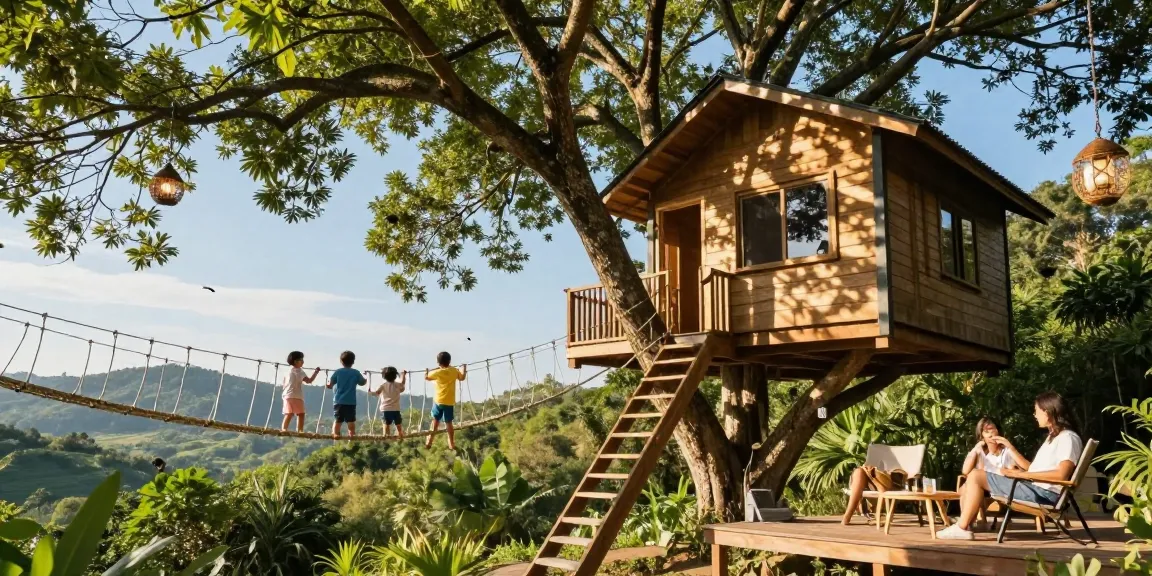
In an age where urbanisation often overshadows the charm of nature, the concept of tree house living offers a captivating escape into the treetops. The idea of living amidst the foliage, surrounded by birds and leaves, attracts many who yearn for a unique lifestyle that intertwines comfort with the wild. The tree house life represents not just a home, but an experience—one that fosters creativity, peace, and a profound connection to nature.
Why Choose a Tree House Life?
Choosing to live in a tree house is about embracing a lifestyle that prioritises serenity and sustainability. These elevated homes create a sanctuary away from the hustle and bustle of everyday life, allowing residents to unwind in a tranquil environment. Tree houses can serve various purposes, from a primary residence to a retreat or a holiday getaway, making them versatile options for many.
Benefits of Living Elevated
- Enhanced Views: Living high above the ground means breathtaking panoramic views of nature, providing a constant reminder of the beauty of the world.
- Natural Cooling: Elevated structures often benefit from a natural cooling effect, reducing the need for air conditioning.
- Privacy: Tree houses can be designed to offer seclusion from neighbours, perfect for those who value their personal space.
- Lower Impact Living: Many tree houses are built with sustainability in mind, using eco-friendly materials and designs that blend with the environment.
Connecting with Nature: The Essence of Tree House Life
At the heart of tree house living is the experience of being deeply connected with nature. Residents can enjoy the soothing sounds of rustling leaves, the songs of birds, and even watch wildlife from their windows. This connection promotes not only relaxation but a healthier lifestyle that encourages outdoor activities and mindfulness.
Designing Your Ideal Tree House
Creating a tree house that reflects your personality and lifestyle involves careful planning and consideration. It is crucial to incorporate both aesthetics and functionality into your design to ensure a harmonious living environment.
Essential Features for Modern Tree Houses
- Open-Concept Interiors: Promote airflow and natural light.
- Large Windows: Offer spectacular views and encourage a feeling of openness.
- Outdoor Decks: Extend the living space outdoors, providing areas for relaxation and entertaining.
- Eco-Friendly Materials: Use sustainable wood, recycled materials, and energy-efficient installations.
Innovative Materials and Sustainability Practices
As environmental awareness grows, so does the importance of using sustainable materials in construction. Bamboo, reclaimed wood, and non-toxic finishes not only enhance the aesthetic of tree houses but also reduce their carbon footprint. Modern tree house builders are increasingly utilising innovative technologies, such as solar panels and rainwater harvesting systems, to create self-sustaining homes.
Planning for Safety and Structural Integrity
When designing a tree house, it is vital to consider safety and stability. This includes selecting the right type of tree or support structure, ensuring that it can bear the weight of the house and its residents. Building permits and local regulations must also be factored into the design process to avoid complications during construction.
Building Your Tree House: Step-by-Step Guide
Choosing the Right Location
Finding the perfect spot for your tree house is the first step in the building process. Consider proximity to utilities, such as water and electricity, as well as accessibility for construction. Look for a site that offers a stunning view while ensuring safety from potential hazards, such as falling branches.
Permits and Regulations: What You Need to Know
Before constructing a tree house, it's essential to research local zoning laws and building codes. Many areas require specific permits for tree house building, especially if the structure is intended for long-term living. Understanding these regulations can prevent costly fines and project delays.
DIY vs. Professional Builders: Making the Right Choice
Deciding whether to build your tree house yourself or hire professionals depends on your skill level, budget, and the complexity of the design. DIY projects can be fulfilling but require a solid understanding of construction and safety principles. Alternatively, hiring a professional builder can ensure high-quality workmanship and compliance with regulations, albeit at a higher cost.
Maintaining Your Tree House
Owning a tree house comes with the responsibility of regular maintenance. Ensuring the longevity and safety of this unique residence requires commitment and attention to detail.
Routine Maintenance Checks and Repairs
Conducting seasonal inspections is crucial for detecting issues early, such as rot, pest infestations, or structural damage. Regularly check railings, stairs, and roofs to ensure they remain secure and functional.
Seasonal Preparations for Extreme Weather
Preparing your tree house for seasonal changes, especially during harsh weather, can prevent significant damage. Ensure gutters are clear of debris, check insulation, and secure outdoor furniture to withstand storms or high winds.
Eco-Friendly Practices for Tree House Care
Maintaining your tree house with eco-friendly practices not only protects the environment but also promotes a sustainable lifestyle. Use natural cleaning products and methods, and consider planting trees and flowers around your home to enhance biodiversity.
Future Trends in Tree House Life
The future of tree house living is brimming with exciting possibilities as innovations in design and technology continue to evolve.
Predictions for Tree House Innovations by 2026
Experts predict an increase in smart home technologies being integrated into tree houses, such as automated blinds, lighting, and climate control systems. These innovations will enhance comfort while remaining energy-efficient.
Community and Tree House Living
As urban living becomes more crowded, community-centric tree house developments may emerge, fostering a sense of belonging and shared experiences among residents. These developments could feature communal spaces and shared resources, enhancing social interaction in a natural setting.
Embracing Remote Work in Elevated Spaces
With the rise of remote work, tree houses offer unique environments conducive to productivity. The serene surroundings can inspire creativity and focus, making them an appealing alternative to traditional office spaces.
How long do treehouses last?
With proper maintenance and care, treehouses can last for decades. The longevity of a tree house largely depends on the materials used and the climate in which they are located. Regular check-ups can significantly extend their life.
Can you live in a treehouse full time?
Yes, many individuals and families have chosen to live full time in tree houses. With the right design and amenities, a tree house can be a comfortable and sustainable living space.
What are the best materials for building a treehouse?
Durable hardwoods, treated softwoods, and sustainable materials like bamboo are excellent choices for building tree houses. These materials can withstand various weather conditions and provide a sturdy structure.
Are treehouses environmentally friendly?
When designed and built responsibly, treehouses can be environmentally friendly. Using sustainable materials and integrating eco-friendly technologies makes them a viable option for reducing one’s carbon footprint.
What are common designs for treehouses?
Common designs for tree houses include platform treehouses, A-frame styles, and spacious structures with multiple rooms. Each design can be customised to fit personal preferences and the surrounding landscape.