
 By admin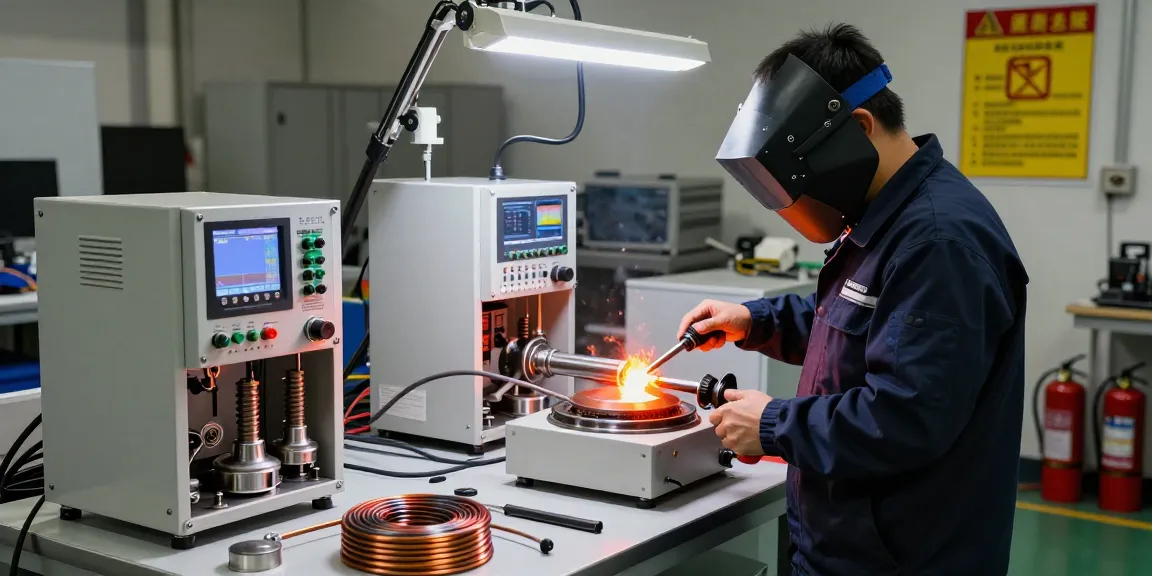
Understanding the Induction Heater Technology
Induction heating is revolutionizing various industries by providing an efficient and effective way to apply heat to metal components. This process utilizes electromagnetic fields to induce heat directly within the material, leading to faster production times and improved energy efficiency. As such, the demand for high-quality induction heater systems is on the rise. Understanding how induction heating works, its components, and the applications can help businesses enhance their manufacturing processes and operations.
What is Induction Heating?
Induction heating involves the use of electromagnetic induction to heat conductive materials. When an alternating current passes through a coil, it generates a fluctuating magnetic field. This magnetic field induces electric currents (eddy currents) in nearby conductive materials, resulting in rapid heating. Because the heat is generated internally, induction heating is often more efficient than traditional methods that rely on external heat sources.
Components of an Induction Heater System
An induction heater system typically consists of several key components:
- Induction Coil: The coil generates the magnetic field and can vary in shape and size depending on the application.
- Power Supply: This converts standard electrical power into high-frequency AC power suitable for the induction coil.
- Control System: It regulates the power input and monitors temperature to ensure precision heating.
- Thermal Sensors: These devices provide feedback on the temperature of the workpiece, allowing for accurate control.
Applications of Induction Heating in Various Industries
Induction heating finds applications across various sectors, including:
- Metalworking: Used for processes such as forging, quenching, and hardening of metals.
- Automotive: Ideal for applications like brazing and soldering in vehicle assembly.
- Medical: Essential for sterilizing equipment and processes that require high precision.
- Electronics: Utilized in soldering components and producing electronic devices.
Benefits of Using an Induction Heater
The advantages of implementing induction heating technology are substantial, making it a preferred choice for many manufacturers. These benefits include enhanced energy efficiency, precision control, and improved safety in operations.
Energy Efficiency and Cost Savings
Induction heaters can achieve energy conversion efficiencies of up to 95%. This high level of efficiency translates to significant cost savings as less energy is wasted as heat. By reducing electricity consumption, businesses can lower their operational costs and carbon footprint, positioning themselves as environmentally responsible.
Precision and Control
Precision is vital in manufacturing, and induction heating provides unparalleled control over temperature and heating times. The advanced digital PID controllers used in KEXIN induction heaters allow for temperature accuracy within ±1°C. This precision helps in achieving consistent metallurgical properties in metal processing operations, whether it involves micro-scale brazing or large-scale forging.
Safety Features and Clean Operation
Safety is a significant consideration in any industrial operation. KEXIN induction heaters enhance workplace safety by eliminating open flames and combustion byproducts, creating a cleaner environment. Additionally, these systems are equipped with multiple layers of protection, including over-temperature, over-current, and coil fault detection, ensuring the safety of both equipment and personnel during operation.
Common Challenges and Misconceptions
Despite the benefits of induction heating, several challenges and misconceptions can hinder its implementation. Understanding these issues can help potential users make informed decisions.
Understanding Power Requirements
One common misconception is that induction heaters require extensive power supplies. While it is true that induction heating systems may need robust electrical connections, modern designs are optimized to minimize energy consumption, providing effective heating solutions even in smaller setups.
Dispelling Myths About Maintenance
Another misconception is that induction heaters are difficult to maintain. In reality, these systems are often easier to maintain than traditional heating methods. Regular inspections and calibrations can ensure optimal performance, and many components are designed for easy replacements.
Addressing Initial Cost Concerns
While the initial investment for induction heating equipment can be higher than conventional methods, the long-term savings in energy and maintenance can vastly outweigh these costs. As such, businesses should view the investment not just as an expense, but as a strategic move towards more efficient operations.
Best Practices for Optimal Performance
To maximize the advantages of induction heating, businesses should adopt best practices in system operation and maintenance.
Regular Maintenance and Calibration
To ensure the longevity and efficiency of induction heating systems, regular maintenance and calibration are essential. This includes checking electrical connections, inspecting coils for wear, and calibrating temperature controls to maintain accuracy.
Choosing the Right Coil for Your Application
The induction coil design plays a critical role in achieving optimal heating results. Understanding the specific requirements of each application allows users to choose coil configurations that enhance performance and efficiency.
Monitoring Temperature Control Systems Effectively
Effective monitoring of temperature control systems is essential for optimizing production quality. Implementing advanced monitoring tools can help in real-time adjustments, ensuring that temperature fluctuations do not affect the workpiece quality.
Future Trends in Induction Heating Technology
The induction heating sector is poised for innovation and growth in the coming years, aligning with advancements in technology and increasing demand for efficient heating solutions.
Advancements in Inverter Technology
Future developments in inverter technology are expected to enhance the energy efficiency and capabilities of induction heating systems. These advancements will likely enable faster heating times and broader applications across various industries.
Emerging Applications in New Industries
As industries evolve, new applications for induction heating are likely to emerge. Sectors such as renewable energy, aerospace, and even food processing are showing interest in adopting induction heating technologies for their manufacturing processes.
Predictions for 2026 and Beyond
Looking ahead, the induction heating market is expected to expand rapidly, driven by technological advancements and growing awareness of its benefits. By 2026, we may see even more sophisticated systems capable of handling complex heating tasks with increased efficiency.
FAQs
How do I maintain my induction heater?
Regular maintenance involves checking and replacing worn parts, calibrating control systems, and ensuring coils are in good condition. Always refer to the manufacturer’s guidelines for specific maintenance schedules.
What materials can be heated with induction heaters?
Induction heaters can effectively heat conductive materials such as metals. Commonly used metals include steel, aluminum, copper, and brass, among others.
Are induction heaters safe to use?
Yes, induction heaters are generally safe as they do not involve open flames and minimize combustion risks. Additionally, advanced safety features in modern systems provide multiple layers of protection.
What is the energy conversion efficiency of induction heaters?
Induction heaters can achieve energy conversion efficiencies of up to 95%, making them one of the most energy-efficient heating methods available.
How can I customize an induction heating solution for my business?
Businesses can work with manufacturers like KEXIN to design custom induction heating solutions tailored to their specific applications, including unique coil designs and modular power systems.. Additionally, induction welder provides further details.
