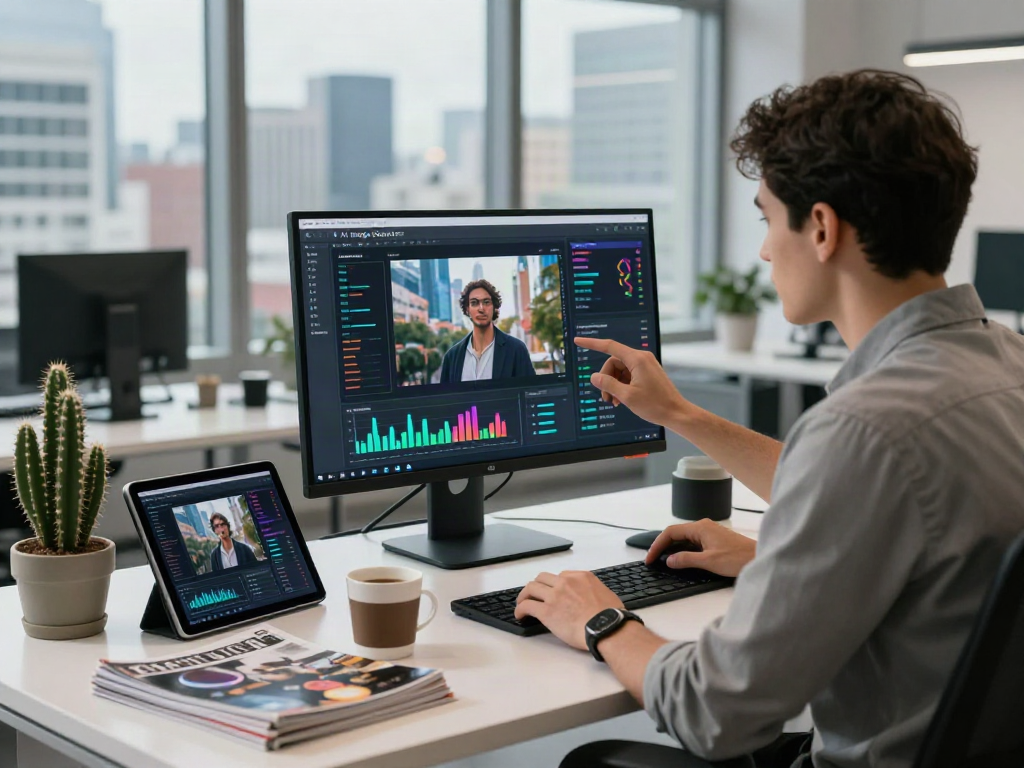
Understanding AI Image Detection Technology
In an era where digital content creation is increasingly dominated by artificial intelligence, the ability to discern between genuine images and those created or manipulated by AI has become crucial. AI image detectors are sophisticated tools designed to identify images generated by AI technologies, enabling users to verify the authenticity of visual content. As the demand for reliable detection grows, understanding the mechanics, benefits, and best practices surrounding AI image detection becomes essential for businesses, researchers, and everyday users alike. When exploring options, AI Image Detector provides comprehensive insights into this burgeoning technology.
What is an AI Image Detector?
An AI Image Detector is a computational tool that employs algorithms to analyze visual content and determine whether it was generated by an artificial intelligence system or captured by a human photographer. These tools have emerged in response to the rapid advancement of AI in image generation, with models like DALL·E, MidJourney, and Stable Diffusion. The primary goal of an AI image detector is to help users make informed decisions regarding the authenticity of images, especially in contexts where misinformation or manipulated visuals can have significant repercussions.
How AI Image Detection Works
AI image detection typically involves a few critical processes, including:
- Feature Extraction: The detector analyzes the image for unique features that may indicate AI generation, such as artifacts typical in synthetic images.
- Model Training: These tools are trained on vast datasets, comprising both genuine and AI-generated images, allowing them to recognize patterns and anomalies.
- Classification: After analyzing an image, the detector classifies it as AI-generated or authentic based on the trained model's criteria.
Notably, many detectors utilize deep learning techniques that improve their accuracy over time as they encounter a broader range of images.
Benefits of Using AI Image Detectors
The implementation of AI image detectors offers numerous advantages:
- Credibility: Enhances trust in visual media by ensuring that images shared in journalism, academia, and marketing are authentic.
- Fraud Prevention: Helps businesses and organizations avoid potential pitfalls associated with deepfakes and manipulated media.
- Efficiency: Automated detection speeds up the verification process compared to manual checks, saving time and resources.
Choosing the Best AI Image Detector for Your Needs
With the increasing number of AI image detectors available, selecting the right tool can be daunting. It's crucial to consider various factors that contribute to the effectiveness and suitability of these tools for specific uses.
Key Features to Look for in an AI Image Detector
When comparing AI image detectors, some key features to evaluate include:
- Accuracy: Look for tools with high accuracy rates in detecting both AI-generated images and manipulated content.
- Speed: Consider detectors that provide results quickly, especially in high-demand scenarios like newsrooms or social media monitoring.
- User Interface: A user-friendly interface ensures that the detector can be used effectively without requiring extensive technical expertise.
- Compatibility: Ensure the tool is compatible with various image formats and integrates smoothly with existing platforms.
Comparing Top AI Image Detector Tools in 2026
As of 2026, several notable AI image detector tools have gained popularity among users:
- ZeroGPT: Renowned for its extensive database, which allows it to analyze images from various AI generators.
- DeepAI: A free tool that is praised for its accessibility and user-friendly interface, making it ideal for casual users.
- TruthScan: Offers advanced forensic checks and claims a high accuracy rate in detecting AI manipulations with minimal processing time.
These tools vary in functionality and focus, catering to different user needs, from casual checks to professional-grade analysis.
User Reviews and Insights on AI Image Detectors
User feedback plays a vital role in gauging the effectiveness of AI image detectors. Reviews often highlight strengths such as:
- The accuracy of detection results, especially in more advanced models.
- User-friendly interfaces that simplify the verification process.
- Customer support and available resources to help users maximize the tool's capabilities.
However, users also report challenges, including occasional false positives or negatives, which reinforce the need for continuous improvement in detection technologies.
Common Challenges with AI Image Detection
While AI image detectors have made significant strides, several challenges remain:
Misconceptions About AI Image Detectors
A common misconception is that AI image detectors can achieve 100% accuracy. Users often assume that these tools are foolproof, overlooking the inherent complexity in differentiating between genuine and AI-generated content. This understanding is essential for setting realistic expectations and avoiding overreliance on detection tools.
Limitations of Current AI Image Detection Technologies
Current technologies may struggle with:
- Subtle Manipulations: Some sophisticated AI image alterations can evade detection, making it challenging for tools to provide reliable results.
- New AI Models: As new generative models are developed, existing detectors may require updates or retraining to keep up with evolving capabilities.
Overcoming Challenges with Best Practices
To mitigate these challenges, users should:
- Combine Tools: Utilize multiple detection tools for verification to cross-check results.
- Stay Informed: Regularly update themselves on advancements in both AI image generation and detection technologies.
Practical Applications of AI Image Detectors
The practical applications of AI image detectors span several industries:
How Businesses Utilize AI Image Detectors
Many organizations leverage AI image detectors to maintain brand integrity and trust. For instance, marketing teams may use these tools to ensure that promotional images are not misleading or altered in ways that could damage their reputation.
AI Image Detection in Creative Industries
In creative fields, such as photography and design, AI image detectors assist professionals in verifying the authenticity of visual assets. This verification is critical to ensure intellectual property rights are protected and that artworks are not misrepresented.
Case Studies of Successful Implementations
Numerous organizations have successfully incorporated AI image detectors, such as:
- News agencies that use these tools to vet images before publication, ensuring that information disseminated to the public is accurate.
- Social media platforms that employ AI image detection as part of their moderation processes to flag and remove inappropriate or misleading content.
Future Trends in AI Image Detection
The landscape of AI image detection is evolving, with emerging technologies set to reshape its future:
Emerging Technologies in Image Recognition
New advancements, including quantum computing and more sophisticated machine learning algorithms, promise to enhance the capabilities of AI image detectors. These technologies could allow for quicker analysis and improved accuracy in distinguishing between AI-generated and authentic images.
Predictions for AI Image Detection in 2026 and Beyond
Experts predict that by 2026, AI image detectors will become integral in various sectors, including:
- Education: As academic integrity concerns rise, institutions may adopt these tools for verifying submitted visual content.
- Cybersecurity: Enhanced detection capabilities can aid in identifying malicious deepfakes used in phishing and other cyber threats.
Preparing for Changes in AI Image Detection Capabilities
Organizations should prepare for these changes by investing in training for their teams, who will need to understand how to interpret detection results and respond appropriately. Additionally, staying updated with the latest tools and technologies will be critical for maintaining an edge in authenticity verification.
What are the top benefits of using an AI Image Detector?
The primary benefits include enhanced credibility, fraud prevention, and efficiency in media verification.
How accurate are AI Image Detectors for real-world applications?
While many tools boast high accuracy rates, it's essential to recognize their limitations and combine them with other verification methods for the best results.
What are the most popular AI Image Detector tools in 2026?
Some of the most popular tools as of 2026 are ZeroGPT, DeepAI, and TruthScan, each catering to different user needs and offering distinct features.
Can AI Image Detectors identify all forms of AI-generated content?
While these tools are continually improving, they may not catch every instance of AI-generated content, especially with sophisticated manipulations.
What should I consider when investing in an AI Image Detector?
Factors to consider include accuracy, speed, ease of use, and the specific needs of your organization or project.